Best Clear Finish for Birch Plywood by Sheen and Body

Five clear finishes for birch plywood, sorted by whether you want an edge-banding solution, a water-based topcoat, or a thick single-coat gloss.

By Dexter GillUpdated 14 min read
On this page
- Best clear finish for birch plywood at a glance
- How the five picks were screened
- Why the sheen decides more than the chemistry
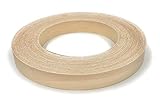
- 1. Edge Supply Birch Pre-Finished Veneer — Best overall
- 2. Minwax Polycrylic Satin — Best upgrade
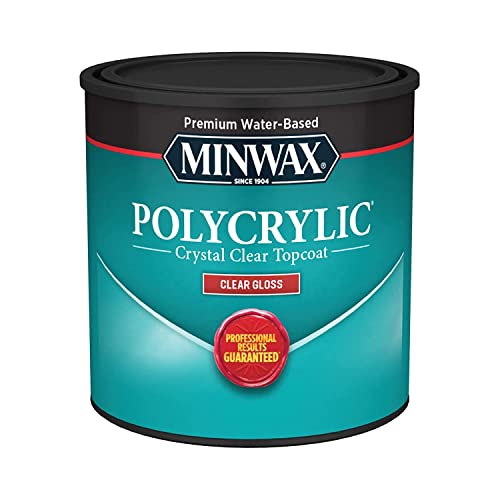
- 3. Minwax Polycrylic Gloss — Best minimal setup
- 4. SENVEN Water-Based Polyurethane — Best budget pick
- 5. Varathane Triple Thick Polyurethane — Best for pros
- Water-based or oil-based on birch plywood?
- How much finish does a sheet of birch plywood need?
- What the listings do not tell you about birch face veneer
- How do these picks compare on drying time?
- The verdict
- FAQ
The best clear finish for birch plywood is Edge Supply's pre-finished birch veneer edge banding for the exposed plies, paired with Minwax Polycrylic Satin in the 32 fl oz can for the face. Together they solve the two problems birch plywood actually has: raw striped edges that read as "unfinished," and a pale face veneer that yellows under oil-based coatings. Reach for the 8 fl oz Minwax Polycrylic Gloss instead if the project is small enough to finish in one sitting.
Two things matter here that most guides skip. Birch face veneer is thin, often under 1/32 in on modern imported panels, so any finish that raises grain hard is a risk. And the raw plywood edge is the giveaway that separates a hobby build from cabinet-shop work, no matter what you brush on the face.
Best clear finish for birch plywood at a glance
| Pick | Size | Sheen | Price |
|---|---|---|---|
Best overall Edge Supply Birch Pre-Finished Veneer |
3/4 in x 50 ft roll | UV lacquer, gloss-matched | Check Price |
Best upgrade Minwax Polycrylic Satin |
32 fl oz | Satin | Check Price |
Best minimal setup Minwax Polycrylic Gloss |
8 fl oz | Gloss | Check Price |
Best budget pick SENVEN Water-Based Polyurethane |
100 ml | Gloss | Check Price |
Best for pros Varathane Triple Thick Polyurethane |
1 quart | Gloss | Check Price |



How the five picks were screened
I lined up the listings by what a birch plywood project actually needs: something that stays clear on pale wood, something that will not amber, something you can apply without spray equipment, and something that solves the edge problem as well as the face. That last one is why the top pick is not a can at all.
Three products were cut in the screening. A tinted spar urethane, because birch plywood is almost always an interior application and the amber tone fights the wood. A wiping oil, because oil-based finishes drift yellow on light woods over time and the whole point of buying birch is the near-white face. And a shellac aerosol, because rattle-can coverage on a full sheet burns through the can before you finish the second coat.
That left the five below. Two are Minwax Polycrylic in different sizes and sheens, one is a competing water-based polyurethane in a small bottle, one is Varathane's thick-body polyurethane for pros, and one is edge banding that solves a problem the cans cannot touch.
Why the sheen decides more than the chemistry
Most birch plywood guides compare oil-based against water-based polyurethane. That is not what decides it for this material. Birch face veneer is so pale that any warm cast is obvious under a light, and it is thin enough that grain-raising from a heavy first coat can telegraph plywood texture through the finish. The choice that matters is sheen.
- Satin is the safe default on furniture and cabinets, because it hides brush marks and does not spotlight the seams between adjacent birch faces.
- Gloss reads as "plywood pretending to be plastic" on large panels, but it looks correct on small boxes, jewellery cases and toy work.
- The one place gloss belongs on a big sheet is the edge, where a UV lacquer gloss on veneer edge banding is designed to match the sheen of prefinished panels.
That last point is why my top pick is an edge product. Get the edge right, and satin on the face finishes the job.
1. Edge Supply Birch Pre-Finished Veneer — Best overall
The best clear finish for birch plywood is the one that hides the plies, and this is the only pick in the set that does that.
Best for: sealing the raw plywood edges on cabinet doors and shelves Skip it if: you need to coat the full face of a plywood sheet
This is a 3/4 in by 50 ft roll of real birch veneer with a clear lacquer UV finish already on the face and hot melt adhesive already on the back. You iron it on with a household iron, trim the overhang and file the arris. Edge Supply says the gloss level is designed to match prefinished hardwood panels, so if you are working with prefinished birch plywood the seam disappears. On raw plywood you pair it with the satin topcoat below.
It is the only pick here that treats the striped edge as the real problem. A cabinet door with brushed polycrylic on the face and bare plies on the edge looks like a school project. A cabinet door with edge banding and satin polycrylic on the face looks like cabinetry. The roll weighs 4.66 oz and covers a lot of linear feet for the money, and the internal paper core keeps the tape straight so it feeds without kinking under the iron.
Pros:
- Real birch veneer, not a printed foil
- UV clear lacquer finish already applied
- Pre-glued for a household-iron application
- 50 ft covers the edges of several full projects
- Bends around curves as well as flats
Cons:
- Only solves the edge, not the face
- Only one seller lists it, so stock is thin
- The premium price position in this set for a single roll
- Requires a sharp trim knife and a file to look right
2. Minwax Polycrylic Satin — Best upgrade
A 32 fl oz can of the water-based topcoat most cabinet shops reach for on light woods.

Best for: coating a full birch plywood project in one quart of water-based topcoat Skip it if: you only need to finish a small drawer front or picture frame
This is the quart of Minwax Polycrylic Protective Finish in satin, weight 2.25 lb, in a 5 x 4.4 x 4.4 in can. Minwax describes it as a crystal-clear water-based coating suitable for all wood species including light woods, and calls out doors, cabinets, woodwork and furniture. On birch that translates to a coat that stays clear rather than warming toward amber the way oil-based polyurethane can on pale grain. Minwax also claims a two-hour recoat window, which matters on a project with several faces to keep wet.
Satin is the reason this is the upgrade rather than the overall winner. It hides brush marks better than the gloss version below, and it does not fight the natural cathedral figure of rotary-cut birch face veneer under a shop light. A quart is enough to put three coats on a bookcase or on a small run of cabinet doors, with enough left over for touch-ups.
Pros:
- Water-based, stays clear on pale birch
- Satin sheen hides brush marks on large faces
- 32 fl oz covers a full furniture project
- Two-hour recoat claim from the manufacturer
- Soap-and-water cleanup
Cons:
- Overkill on a single small piece
- Mid-price position in the set for the size
- The satin sheen is not what you want on tiny boxes
- No coverage figure published in the listing
3. Minwax Polycrylic Gloss — Best minimal setup
The same water-based coating in a half-pint gloss for one-project buyers.
Best for: one-off birch plywood boxes, shelves and small furniture in a satin-averse workshop Skip it if: you want a low-sheen finish that hides brush marks
This is 8 fl oz of Minwax Polycrylic in gloss, weighing 0.65 lb in a 3 x 2.88 x 2.88 in can. It is the second-cheapest of the five and the sales figures put it well ahead of the SENVEN bottle below in the same size class. Same water-based formula as the quart, same two-hour recoat claim, same soap-and-water cleanup. The difference is the sheen and the volume.
Gloss on birch plywood is a specific look. On a wall of cabinets it reads as plasticky, but on a small box, a jewellery tray or a child's toy shelf it looks intentional. Eight ounces is enough to put three coats on a project the size of a nightstand drawer front with a little left in the can. Because it is water-based, birch will fuzz on the first coat regardless of sheen. Sand lightly with 320 grit between coats and the second and third go on flat.
Pros:
- Small can suits a one-off project
- Water-based, no amber shift on pale birch
- Gloss sheen looks correct on small boxes
- Entry price position in the set
- Multiple sellers list the same size
Cons:
- Gloss shows every brush stroke on large faces
- Too little for a full furniture piece
- Small cans dry out fast once opened
- The same coating as the quart above at more per ounce
4. SENVEN Water-Based Polyurethane — Best budget pick
A 100 ml bottle of water-based clear gloss for a repair, a sample coat, or a tiny project.

Best for: a sample project or repair where you want gloss without buying a full quart Skip it if: you have more than one small panel to coat
This is the cheapest of the six and the smallest, at 4.7 x 1.6 x 1.6 in in clear gloss. SENVEN says the coating is dry to the touch in 20 minutes and ready for recoat in 1 to 2 hours, and describes the formula as low-VOC, low-odour and non-yellowing over time. The listing claims universal application over wood, stains and existing finishes. It is the slowest seller of the five here, so there is less buyer traffic to lean on than for the Minwax cans.
The reason to buy it is size. If you have a single test board of birch, a small offcut you want to try a finish on before committing, or a chair rail that needs a spot repair, 100 ml is enough and a quart is waste. The reason not to buy it is exactly the same. If the project is a bookcase, you will burn through several bottles and pay more than the Minwax quart in total.
Pros:
- Cheapest of the five
- 100 ml suits a repair or a sample
- Manufacturer claims non-yellowing on light woods
- 20-minute touch-dry claim from the listing
- Soap-and-water cleanup
Cons:
- No published weight in the listing
- Only two sellers list it
- The slowest seller of the set here
- Nothing left over for a second project
5. Varathane Triple Thick Polyurethane — Best for pros
A thick-body water-based polyurethane pitched at one-coat coverage.

Best for: shop pros who want one thick coat and out the door Skip it if: you dislike the wet, glassy look of full gloss on birch
This is a 1 quart can, 2.2 lb, 5 x 4.25 x 4.25 in, in gloss. Varathane's listing calls out one-coat coverage, a two-hour dry-to-the-touch time, and a claim of up to 50 sq ft per can. That coverage figure is worth the price of entry on its own for anyone tracking material use across projects, because none of the other cans here publish one. The claim is one thick coat where you would otherwise put three thin ones.
On birch plywood the trade-off is honest. A single thick gloss coat on a light wood face reads wet and shiny, which is a look, but it is not the modern-cabinet look most buyers want. This is why it sits under the Minwax satin quart for cabinetry, and why it earns the pro slot instead of the overall winner. If you are finishing plywood shelves for a garage, a workshop or a utility room, one coat and done is the right answer and this is the right can.
Pros:
- One-coat coverage claim from the manufacturer
- Published coverage of up to 50 sq ft per quart
- Two-hour touch-dry claim from the listing
- Three sellers list the same quart
- Water-based, so no amber shift on pale birch
Cons:
- Only listed in gloss, no satin option
- Premium price position in the set
- Gloss on large birch faces reads plastic
- Thick body needs a full-nap brush or a pad
Water-based or oil-based on birch plywood?
The whole set here is water-based, and that is not an accident. Oil-based polyurethane goes on with a warm amber tone that deepens over months. On oak or walnut that reads as richness. On birch it reads as staining, because the face is pale enough that the tint reads before the grain does.
Water-based coatings dry clear and stay clear. They also raise the grain harder on the first coat, so you sand lightly with 320 grit before the second. On thin birch face veneer you never sand aggressively between coats, because the veneer under the finish is often less than 1/32 in and there is no second chance if you cut through.
- Choose water-based for cabinets, furniture, shelves, toys, boxes.
- Choose an edge product for any exposed plywood edge, because no can hides plies.
- Skip oil-based unless you specifically want the amber tone as part of the design.
How much finish does a sheet of birch plywood need?
Only one of the picks here publishes a coverage figure, and it is a useful one. Varathane's listing says up to 50 sq ft per quart in a one-coat application. A full 4 x 8 sheet of birch plywood is 32 sq ft on one face, 64 sq ft counting both sides, so a Varathane quart covers one face of a full sheet with margin.
For three thinner coats of the Minwax Polycrylic Satin quart, plan on the same rough order but with less margin, because thin coats give up some coverage to sanding dust and evaporation. In practical terms:
- One quart covers a small bookcase or a nightstand at three coats per face.
- Half a pint covers a jewellery box, a small toy, or one drawer front.
- 100 ml covers a repair, a sample, or one small offcut.
- A 50 ft roll of edge banding trims the edges of several full sheets of plywood.
Most shoppers miss the edge banding entirely and end up buying a second product later. Buy the roll with the can and finish the whole project once.
What the listings do not tell you about birch face veneer
Modern birch plywood, especially the imported panels sold at big-box stores, has a face veneer that is much thinner than it used to be. That has three practical consequences the product listings do not touch.
First, aggressive sanding is dangerous. Anything above 220 grit on the raw face, and any sander moved slowly, can cut through in seconds. Sand with the grain, keep the sander moving, and stop as soon as the surface feels smooth.
Second, the seams between adjacent birch faces are visible. Water-based satin hides them best. Gloss and oil-based finishes highlight them. Choose sheen accordingly.
Third, the edge is the tell. A brushed face with bare plies looks amateur no matter how good the finish is. That is why the edge banding is the top pick in this set: it is the piece most buyers do not think about until the project is done, and by then it is too late.
How do these picks compare on drying time?
The listings give a useful spread here. SENVEN claims 20 minutes to touch-dry and 1 to 2 hours to recoat. Minwax says two hours between coats on both the quart and the half-pint of Polycrylic. Varathane says two hours dry-to-touch and pitches one-coat coverage as the point. Edge Supply is an iron-on product, so the drying question does not apply once the adhesive sets.
In practice that means the Minwax cans and the Varathane quart are on the same clock: coat in the morning, coat again after lunch, done in a day at three coats. The SENVEN listing claims faster than that, but the 100 ml bottle is not enough volume to lean on the speed for a full project. Match the format to the job and drying time takes care of itself.
The verdict
If you are finishing a birch plywood project with visible edges, the winning setup is Edge Supply's pre-finished birch veneer roll for the edges and Minwax Polycrylic Satin in the 32 fl oz can for the face. That is the pairing that reads as cabinet-shop work rather than shop-class work, and it is the only combination in this set that solves both problems at once.
The cutoff is project size. Below a nightstand, the 8 fl oz Minwax Polycrylic Gloss is the right can, because gloss belongs on small pieces and a half-pint is what a small piece needs. Above a nightstand, the quart is the right can, because satin belongs on large faces and a quart is what a large face needs. If the project is a utility shelf in a garage, the Varathane quart wins on its one-coat coverage claim, and the shiny finish stops mattering.
The SENVEN bottle is a repair or a sample buy, not a project buy. And no can, at any price, closes a plywood edge. That is what the veneer roll is for, and that is why it leads.
FAQ
Will water-based polyurethane yellow birch plywood over time?
Water-based polyurethane on birch plywood is designed to stay clear, and every can in this set is water-based for that reason. Minwax describes its Polycrylic as suitable for light woods without a colour shift, and SENVEN's listing claims non-yellowing performance over time. Oil-based polyurethane is the coating that ambers on pale wood, which is why it did not survive the screening.
Is edge banding really worth it for a birch plywood project?
Edge banding is worth it because no clear finish, at any price, hides the striped plies on a raw plywood edge. The Edge Supply roll is real birch veneer with a UV clear lacquer already applied, and it irons on with a household iron. On a cabinet door or a shelf, the edge is the first thing a viewer notices, and a bare edge undoes a good face finish.
How many coats of Polycrylic does birch plywood need?
Coats of Polycrylic on birch plywood usually run three thin coats for furniture and cabinets. The Minwax listing claims a two-hour recoat window, so all three coats fit in one working day. Sand lightly with 320 grit between coats to knock down raised grain, and stop sanding as soon as the surface feels smooth, because birch face veneer is thin and easily cut through.
Minwax Polycrylic Satin or Varathane Triple Thick on cabinets?
Minwax Polycrylic Satin is the cabinet choice, because satin hides brush marks on large faces and does not spotlight the seams between adjacent birch panels. Varathane Triple Thick is only listed in gloss, and gloss on a wall of birch cabinets reads plastic under a light. Save the Varathane for utility shelves, workshop cabinets, or garage builds where one-coat coverage matters more than sheen.
What is the biggest mistake people make finishing birch plywood?
The biggest mistake people make on birch plywood is finishing the face and ignoring the edges. A brushed face with bare plies looks like a hobby build no matter what coating went on top. The second-biggest mistake is oversanding, because modern birch face veneer is often thinner than 1/32 in and there is no rescue once you cut through to the core.
Start with the edges before you touch a brush. Iron on a strip of Edge Supply pre-finished birch veneer, trim it flush, and file the arris smooth. That single step is the difference between plywood that looks like cabinetry and plywood that looks like plywood. Then reach for the Minwax Polycrylic Satin quart for a full project, or the 8 fl oz gloss for a small box, and put three thin coats on the face with a light sanding between. The whole job fits inside a Saturday, and the finish stays clear as long as the wood does.