Best Wood Stain Colors: Varathane Dark Walnut Wins

Five wood stains and dye kits sorted by color, drying time and coverage, from a one-hour Dark Walnut to a five-color aniline set that mixes vivid custom shades.

By Dexter GillUpdated 13 min read
On this page
- Best wood stain colors at a glance
- How I narrowed five stains to a winner
- Why the color on the can lies to you
- 1. Varathane Premium Fast Dry Dark Walnut Wood Stain — Best overall
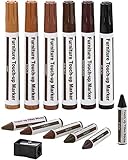
- 2. DAIXISM Furniture Repair Kit Wood Markers — Best minimal setup
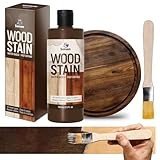
- 3. SENVEN Wood Stain, Walnut Wood Stain — Best upgrade
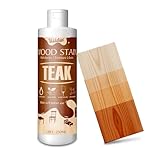
- 4. Vividye Wood Stain, Water Based, Teak — Best for pros
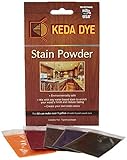
- 5. Keda Dye Wood Dye - Aniline Dye 5 Color Kit — Best premium
- Oil, water or dye: which color base fits your project?
- How much wood will one bottle actually cover?
- When a different pick wins
- The verdict
- FAQ
The best wood stain colors start with Varathane Premium Fast Dry in Dark Walnut, a one-coat oil formula that dries to the touch in 1 hour and covers up to 70 square feet. If low odor matters more than speed, SENVEN's water-based Walnut is the better buy. Here's the part most guides skip: color is only half the decision. What the stain is made of, oil, water, or raw dye, changes the color you actually get on your wood. This guide maps each pick to a base and a project.
Best wood stain colors at a glance
| Pick | Color | Base & coverage | Price |
|---|---|---|---|
Best overall Varathane Premium Fast Dry Dark Walnut |
Dark Walnut | Oil, 70 sq ft claim | Check Price |
Best minimal setup DAIXISM Furniture Repair Kit Wood Markers |
6 tones: Maple to Black | Markers + wax, 12 pieces | Check Price |
Best upgrade SENVEN Water Based Walnut Wood Stain |
Walnut | Water, 3.5 fl oz | Check Price |
Best for pros Vividye Water Based Wood Stain, Teak |
Teak | Water, 90-120 sq ft claim | Check Price |
Best premium Keda Dye Aniline Wood Dye 5 Color Kit |
Black, Blue, Brown, Red, Yellow | Powder dye, makes 5 quarts | Check Price |

How I narrowed five stains to a winner
I started by lining up every listing and cutting on three hard reasons before I looked at color at all.
First, I dropped anything with no stated coverage or count I could compare. A stain you can't size against your project is a guess. Second, I separated the true stains from the touch-up products, because a marker kit and a quart of oil stain solve different problems. Third, I ranked what survived by how much published detail each listing gave a shopper.
That left five picks. Here's how they sorted:
- Varathane Dark Walnut won on published coverage and drying data: 70 square feet, 1 hour to the touch.
- DAIXISM earned a spot as the only multi-tone repair set, with 6 colors across 12 pieces.
- SENVEN and Vividye carried the water-based, low-odor case.
- Keda Dye stood alone as the only pick offering non-brown colors.
Varathane also happens to be the cheapest of the five and the one buyers here choose most often. Both facts backed the pick without deciding it. The published numbers did that.
Why the color on the can lies to you
The swatch on the label is not the color you get. Every stain reacts to the wood underneath it, and that's the mistake that sinks a weekend project.
Pine drinks stain unevenly and blotches. Oak's open grain grabs pigment and reads darker in the pores. Maple is dense and can refuse to take color at all. So "Dark Walnut" on birch and "Dark Walnut" on red oak are two different browns, and neither matches the printed chip exactly.
- Test on scrap first. Use an offcut of the same wood, same sanding grit.
- Wipe on, wait, wipe off. Longer dwell means deeper color, up to the point the wood stops absorbing.
- Watch the second coat. Varathane and Vividye both note a recoat window that deepens the tone.
The best wood stain colors are the ones you confirm on your own board before you touch the real piece. Read the base, sand evenly, test, then commit.
1. Varathane Premium Fast Dry Dark Walnut Wood Stain — Best overall
Varathane Dark Walnut is the pick for anyone who wants a deep brown on furniture or trim without waiting all day between coats.
Best for: furniture and cabinet projects that need deep brown color fast Skip it if: you want a low-odor water-based formula
What sets this apart in the group is the published performance. Varathane lists one-coat coverage from its oil-based formula, drying to the touch in just 1 hour and covering up to 70 square feet per 0.25 quart. No other pick here states both a drying time and a coverage number that clearly. The company also says it uses nano pigment particles to highlight natural grain, which you should treat as its claim rather than proven fact.
The Dark Walnut color is a warm, mid-deep brown suited to oak, ash and pine trim. The can weighs 0.55 lb and measures 8.27 by 3.15 by 5.51 inches, so a single quart handles a nightstand or a set of cabinet doors. It's rated for interior furniture, cabinets, doors, trim and paneling.
The trade-off against the water-based picks is the oil base: stronger odor and mineral-spirit cleanup. If your workspace is closed or shared, that matters more than the fast dry.
Pros:
- One-coat coverage on the label
- Dries to the touch in 1 hour claim
- Up to 70 square feet stated coverage
- Cheapest of the five
- The one buyers here choose most often
Cons:
- Oil base means stronger fumes
- Cleanup needs mineral spirits, not water
- Single color, no mixing option
- Only one color shown in this listing
2. DAIXISM Furniture Repair Kit Wood Markers — Best minimal setup
This 13-piece kit is the fastest way to hide a scratch across six common wood tones without opening a can of stain.

Best for: touch-ups and scratch cover-ups across six common wood tones Skip it if: you're staining a whole tabletop
This is the odd one out, and that's the point. Instead of a liquid, you get 6 repair markers and 6 wax sticks plus a sharpener, 12 working pieces total, weighing 6.38 oz in a 1.5 by 7.5 by 5.5 inch card. The colors span Maple, Oak, Cherry, Walnut, Mahogany and Black, so you can match most brown furniture straight from the set.
DAIXISM says you draw over the scratch, let it dry, and the mark disappears, and that the finish is permanent. Treat those as the maker's claims. What the kit clearly gives you is range: six tones in one purchase, released in 2022, with a stated 1-year warranty, the only warranty term published across these five.
The obvious limit is scale. Markers and wax sticks fix nicks, scuffs and edge wear. They will not stain a full surface evenly, and blending across a large panel is slow work. Buy it as a repair tool that lives in a drawer, not as your primary color source.
Pros:
- Six wood tones in one set
- 12 pieces plus a sharpener included
- 1-year stated warranty
- No cleanup, no drying wait for whole boards
- Second cheapest of the five
Cons:
- Not for staining full surfaces
- Color match limited to six preset tones
- Blending over large areas is tedious
- Wax sticks wear down with use
3. SENVEN Wood Stain, Walnut Wood Stain — Best upgrade
SENVEN's water-based Walnut is the pick when you want brown color indoors without living with oil fumes.
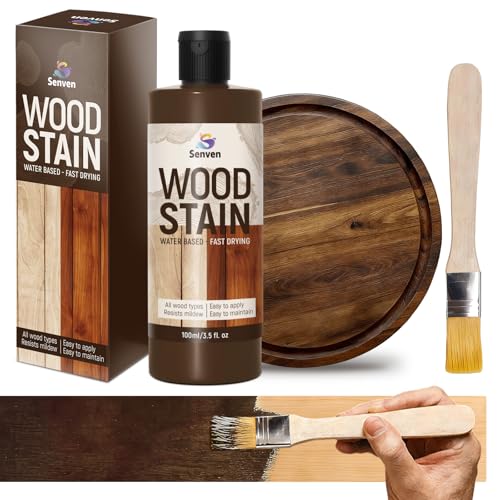
Best for: indoor work where fumes and cleanup matter Skip it if: you have a large deck to cover
The reason to step up to SENVEN over the Varathane is the base. This is a water-based Walnut stain in a 3.5 fl oz bottle, measuring 4.7 by 1.6 by 1.6 inches. SENVEN describes it as non-toxic, ultra-low in VOCs and free from harsh fumes, which it frames as safe for families and pets. Those are the maker's words, not a lab result, but the water base does mean soap-and-water cleanup instead of solvents.
SENVEN calls the finish semi-transparent, built to highlight natural grain with even color in a single application. The Walnut tone reads as a mid-brown that lets figure show through, a good fit for smaller indoor pieces where you want the wood to still look like wood.
The catch is the bottle size. At 3.5 fl oz this is the smallest liquid here, and the listing gives no coverage figure. For a chair, a shelf or a jewelry box it's plenty. For anything the size of a table, you'll be buying more than one. Against Varathane it trades speed and stated coverage for a gentler workspace.
Pros:
- Water-based, soap-and-water cleanup
- Low-VOC, low-odor per the maker
- Semi-transparent finish shows grain
- Sits mid-price in this set
Cons:
- No coverage figure published
- Small 3.5 fl oz bottle
- Single Walnut color only
- Sells slower than the top two picks
4. Vividye Wood Stain, Water Based, Teak — Best for pros
Vividye Teak is the water-based pick for bigger jobs, with the widest stated coverage in the group.

Best for: bigger indoor and outdoor jobs needing wide coverage per bottle Skip it if: you only have one small chair to refinish
Vividye's edge in this set is volume with a number attached. The 250 ml bottle, a compact 0.8 by 2.3 by 3 inches, is rated by the maker to cover approximately 90 to 120 square feet in a single coat. That's the highest coverage claim among these five, which is why it earns the nod for larger work.
The Teak color is a warm honey-brown, lighter than Walnut, and Vividye says it penetrates deep for an even, grain-enhancing finish. It's a water-based, low-VOC, non-toxic formula rated for both indoor and outdoor use, including decks and fences. The application steps are spelled out: sand, shake, brush or wipe on, wipe off excess, recoat in 30 minutes for deeper color, then let dry 8 to 12 hours.
Two honest cautions. That coverage number is the manufacturer's estimate, not a verified test, and real coverage drops on thirsty softwood. And this is the most expensive pick here, so on a single small piece you're paying for reach you won't use.
Pros:
- Widest stated coverage, 90-120 sq ft claim
- Water-based, low-odor formula
- Rated for indoor and outdoor use
- Clear step-by-step application on the label
Cons:
- Most expensive pick here
- Coverage figure is a maker estimate
- Single Teak color in this listing
- Slowest-selling stain of the group
5. Keda Dye Wood Dye - Aniline Dye 5 Color Kit — Best premium
Keda Dye is the only pick here that makes non-brown colors, and it hands you five of them.
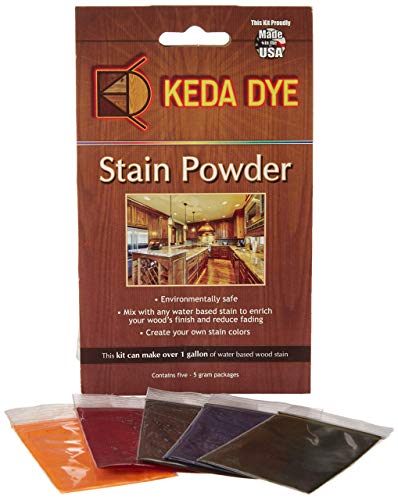
Best for: custom color mixing and bold non-brown tones Skip it if: you want a ready-to-brush finish out of the container
Every other pick is a preset brown. Keda Dye is different in kind. It's a powdered aniline dye kit in five colors, Black, Blue, Brown, Red and Yellow, and Keda says the set mixes into 5 quarts of liquid dye stain. The whole kit weighs just 27.2 g and ships in a flat 0.5 by 7 by 4.5 inch pack, because you're buying pigment, not liquid.
Dye is not stain. It colors the wood fibers directly rather than sitting in the grain, so it goes on more transparent and vivid, which is how you get blues and reds on wood at all. Mixing five base colors means you can chase a custom shade no single can offers. Keda describes the dyes as eco-friendly and vibrant, its own framing.
This is the specialist's tool. You mix your own liquid, dial in concentration, and usually seal over the top. There's a stated 30-day warranty. The trade-off against the ready-to-use picks is effort: more steps, more test boards, and a real learning curve before you get an even result.
Pros:
- Five colors including blue, red, yellow
- Makes up to 5 quarts of dye
- Only non-brown option in this set
- Mix custom shades to taste
Cons:
- Requires mixing before use
- Steeper learning curve than ready stains
- Usually needs a topcoat to seal
- Slowest seller and shortest warranty window
Oil, water or dye: which color base fits your project?
The base decides more than the label admits. Here's the short version.
- Oil (Varathane): deepest, warmest browns and forgiving application. Stronger fumes, solvent cleanup, longer full-cure time despite a fast surface dry.
- Water (SENVEN, Vividye): low odor, soap-and-water cleanup, quick recoat. Can raise the wood grain, so a light sand between coats helps.
- Dye (Keda): the most vivid and transparent color, the only route to non-brown tones. Most work: you mix it, and you usually seal it.
Match the base to your room and your patience. Closed workspace and pets around? Water or dye. Want the richest brown with the least fuss on the color itself? Oil. Chasing a color no can sells? Dye is your only real answer among these picks.
How much wood will one bottle actually cover?
Coverage decides how many bottles you buy, and the listings state it unevenly. Here's what each pick tells you, side by side.
- Varathane: up to 70 square feet per 0.25 quart, per the maker.
- Vividye: approximately 90 to 120 square feet per 250 ml, the widest claim here.
- SENVEN: no coverage figure, a small 3.5 fl oz bottle.
- Keda Dye: makes 5 quarts of liquid, but actual area depends on how you dilute it.
- DAIXISM: not measured in area at all, since it's a repair kit.
Two rules keep you from running short. Coverage numbers are manufacturer estimates on smooth, sealed-grain wood. On raw softwood like pine, expect less. And a second coat, which most of these support, roughly doubles your consumption. When in doubt, buy one extra unit of the same lot so the color matches.
When a different pick wins
Varathane leads by default, but the right answer flips on three checkable conditions.
- If you're working in a closed room with pets nearby, the oil fumes outweigh the fast dry. Go water-based with SENVEN, or Vividye for a bigger job.
- If the surface you need is over about 90 square feet, Varathane's stated 70 runs short in one bottle. Vividye's 90-to-120 claim covers more ground per container.
- If you want any color that isn't brown, blue, red, a custom mix, none of the stains reach it. Keda Dye is the only pick that does.
One more: if you're not staining a surface at all, just hiding a scratch on finished furniture, skip every liquid and grab the DAIXISM kit. Six tones, no drying wait, back in the drawer in five minutes.
The verdict
The best wood stain colors for most people come from Varathane Premium Fast Dry in Dark Walnut. It's the only pick that publishes both a drying time, 1 hour to the touch, and a coverage figure, up to 70 square feet, and it delivers a deep, forgiving brown from an oil base that hides application mistakes. It's also the cheapest of the five and the one buyers here reach for most. That combination makes it the safe default for furniture, cabinets and trim.
Two conditions change the call. If your workspace is closed or shared with pets, the runner-up is SENVEN's water-based Walnut, whose exact advantage is odor: a low-VOC formula the maker calls non-toxic, with soap-and-water cleanup that the oil-based Varathane can't offer. And if you need to cover more square footage in one go, Vividye's 90-to-120 square foot claim per bottle beats Varathane's stated reach.
For anything outside brown, Keda Dye stands alone, and for scratch repair rather than staining, the DAIXISM kit wins outright. Pick by base and project, not by the swatch on the label.
FAQ
Are the best wood stain colors always brown?
The best wood stain colors are usually browns, because oil and water stains like Varathane Dark Walnut and Vividye Teak are built around wood tones. But that's a limit of stain, not of wood. Keda Dye's aniline kit reaches black, blue, red and yellow by dyeing the fibers directly. If you want a non-brown finish, a dye kit is the only route among these five.
Is a water-based stain worth it over oil?
A water-based stain is worth it when odor and cleanup matter more than the deepest color. SENVEN and Vividye both use low-VOC water formulas the makers call non-toxic, with soap-and-water cleanup. Oil-based Varathane gives a warmer, more forgiving brown and dries to the touch in 1 hour, but needs solvents to clean up. Choose water for closed rooms, oil for the richest tone.
How much area does one bottle of stain cover?
How much area one bottle covers depends on the product and your wood. Varathane lists up to 70 square feet per 0.25 quart, and Vividye claims 90 to 120 square feet per 250 ml. Those are maker estimates on smooth wood. Raw pine soaks up more and cuts the number. A second coat roughly doubles what you use, so buy an extra unit to be safe.
Should I choose Varathane or SENVEN for indoor furniture?
Choose Varathane or SENVEN based on your room. Varathane's oil formula gives a deeper Dark Walnut and dries to the touch in 1 hour, but carries stronger fumes. SENVEN's water-based Walnut is the low-odor pick, described as non-toxic and free from harsh fumes, with easy cleanup. For an open garage, take Varathane. For a closed room with pets or kids, take SENVEN.
What's the biggest mistake with wood stain colors?
The biggest mistake with wood stain colors is trusting the swatch on the can. The same stain reads differently on pine, oak and maple, because each wood absorbs pigment at its own rate. Blotchy softwood is the usual result. Always test on a scrap of the same wood, sanded to the same grit, then wipe off after your dwell time before you commit to the real piece.
Start with a scrap board and the base that fits your room, not the prettiest chip on the shelf. For most furniture and trim, that means Varathane Dark Walnut: a deep brown that goes on in one coat and lets you keep working the same afternoon. Move to SENVEN or Vividye if fumes or coverage push you toward water, reach for Keda Dye when brown won't do, and keep the DAIXISM kit on hand for the nicks that show up later. Match base to project, test first, and the color takes care of itself.